Blog
Blog News & Events
 Scientific library
 Project
 Video
Video


Overview
Automatic, continuous emission monitoring solution for emission sources such as chimneys, incinerators, and production lines—implemented to help businesses meet legal requirements under Circular No. 10/2021/TT-BTNMT and Decree No. 48/2026/ND-CP, while also supporting the completion of necessary conditions during the process of applying for a new discharge permit or renewing an existing one.
Advantages
Full compliance with legal requirements for emissions monitoring: The system is designed in accordance with current regulations, helping enterprises avoid non-compliance during inspections or regulatory assessments.
- Support for environmental permitting documentation: The solution provides the necessary technical conditions for applying for new permits or renewing emissions discharge permits.
- Continuous monitoring and early risk detection: Real-time monitoring of parameters such as flow rate, pressure, temperature, O2, SO₂, NOx, CO and dust enables enterprises to take timely action before emission levels exceed permitted thresholds. In addition, there are specific indicators for each type of production, such as HF, HCl, NH3, etc.
- Transparent data and automatic transmission: Data is continuously recorded, stored, and transmitted to regulatory authorities, reducing the risk of missing or inaccurate information.
- Stable operation with a complete auxiliary system: Integrated UPS, camera, fire alarm, calibration gases, and other supporting equipment help ensure safe and continuous system operation under various conditions.
Applications
- Industrial plants generating exhaust emissions: Applicable to industries such as thermal power, cement, steel, chemicals, and others where strict control of outlet emissions is required.
- Industrial parks and industrial clusters: Supports centralized monitoring of emission sources to help ensure environmental compliance across the entire site.
- Facilities with direct stack emissions: The system is installed at emission stacks to continuously monitor exhaust gas quality before it is dispersed into the atmosphere.
- Enterprises required to meet environmental inspection and audit requirements: Provides clear and complete data for working with regulatory authorities or during periodic environmental assessments.
View more
Không có nội dung
Không có nội dung

Safety and Environment Quality Monitoring Solutions in Healthcare and Pharmaceuticals
An advanced gas and water quality monitoring solution for the healthcare and pharmaceutical sectors, ensuring safety for staff and patients

Safety and Environment Quality Monitoring Solutions in Healthcare and Pharmaceuticals
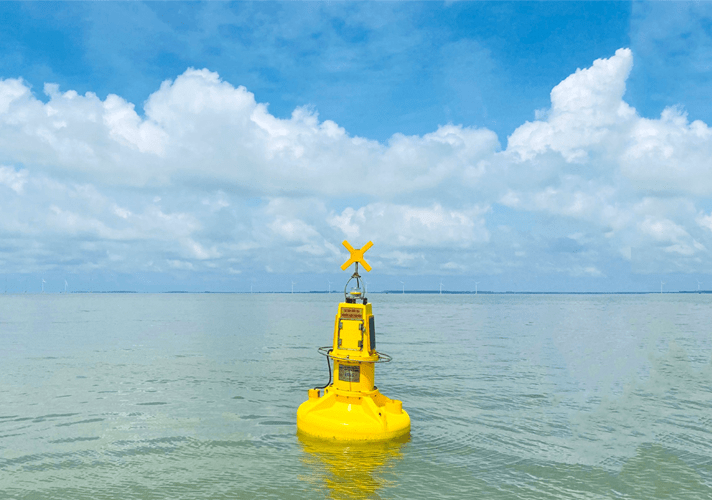
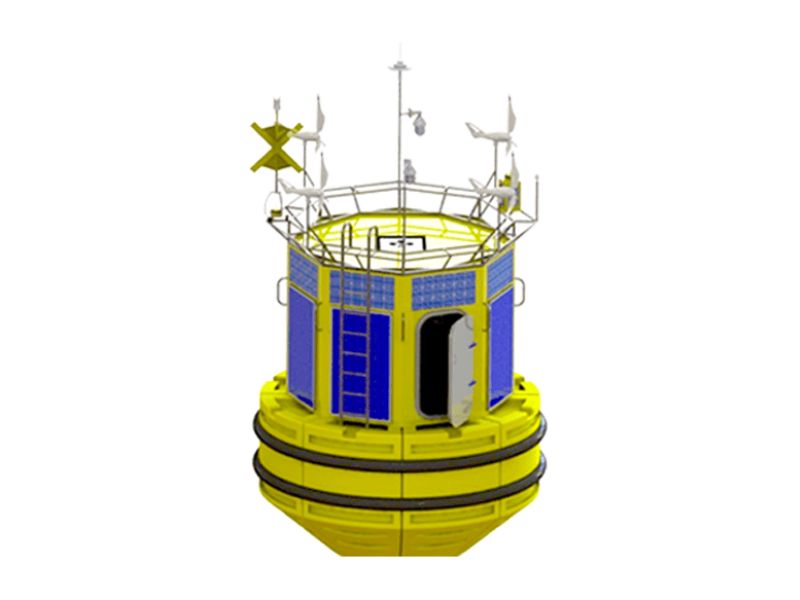
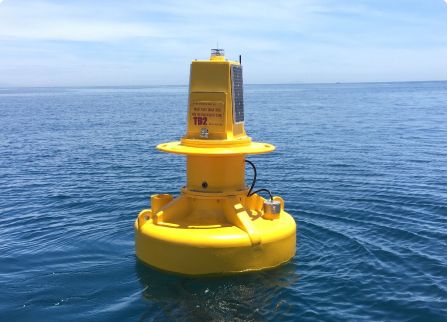
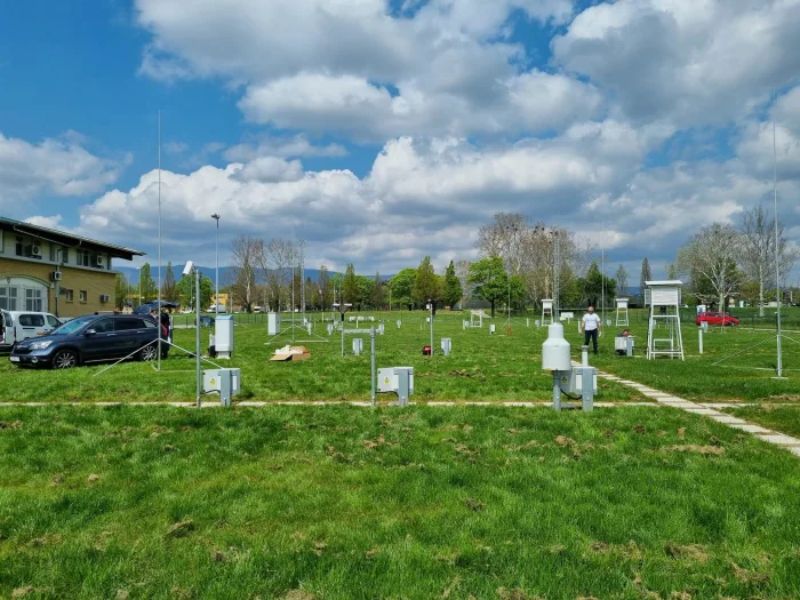
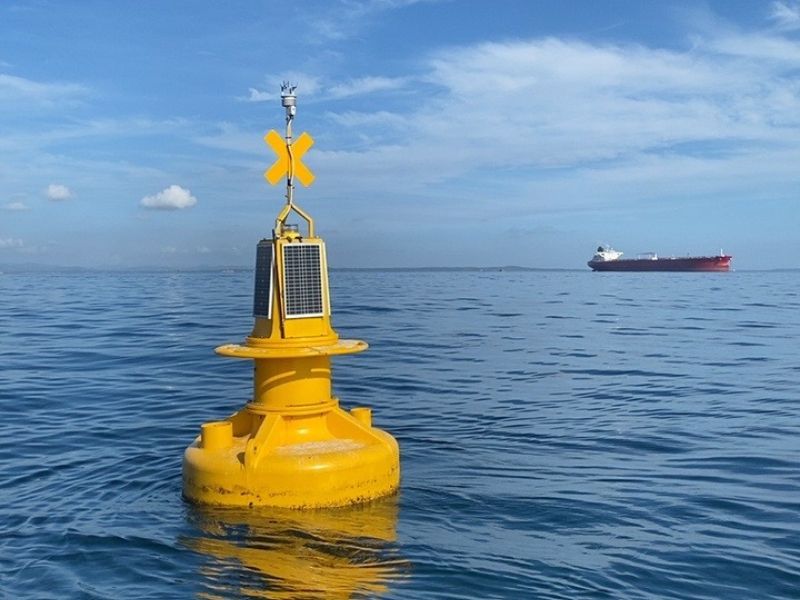
The automatic meteorological and oceanographic station operates continuously
Reecotech offers a solution for buoy-based marine environmental monitoring stations that automatically measure multiple water layers from the bottom to the surface. The number of layers to be monitored is determined by specific requirements. Data is transmitted to shore/ship in real time.